 Brest Hub
In recent weeks, Brest, known as Les Ty-Zefs, has shown resilience on the pitch, but there are tactical aspects that need fine-tuning. The current formation, often a 4-3-3, has allowed the team to maintain some fluidity in attack, but it also exposes defenders to quick counterattacks.
Strengths and Weaknesses Analysis
One of Brest's major strengths lies in their ability to combine speed and technique in midfield. Players like J. Dina Ebimbe and Franck Lassina Traoré have shown that they can win the ball back and launch effective attacks. However, the transition between defense and attack sometimes lacks precision, leading to turnovers in critical areas.
Defensively, Brest struggles to maintain a balance between pressing and coverage. The full-backs, often involved in attacking phases, leave spaces behind them. This was particularly evident in their last match against Strasbourg, where opponents capitalized on these gaps to create dangerous chances.
Tactical Suggestions
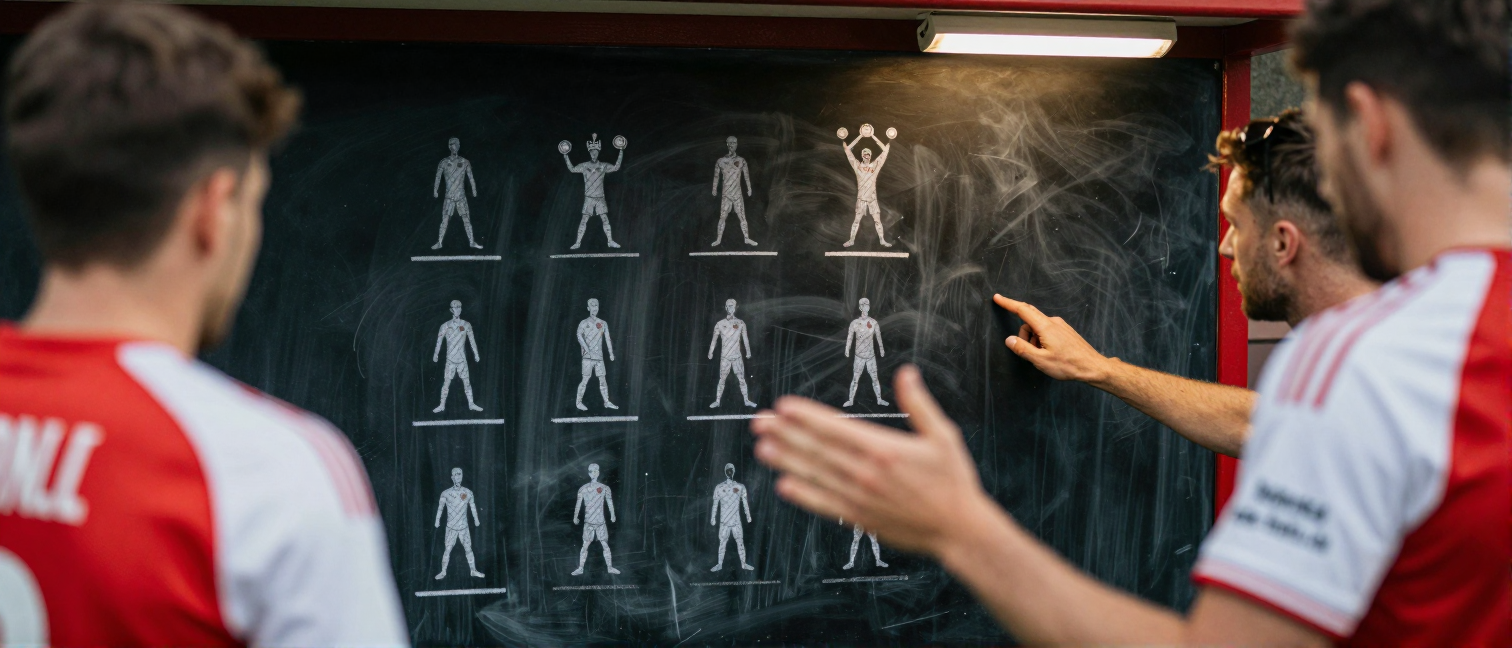
To optimize performances, a reevaluation of the formation could be beneficial. Switching to a 4-2-3-1 system could allow the team to bolster its midfield while maintaining attacking presence. With two defensive midfielders, Brest could better control the game and ensure more solid coverage for the full-backs.
Additionally, enhancing high pressing could be an interesting approach. The team could benefit from a strategy of quick ball recovery, especially against opponents focused on possession. This could also create opportunities for rapid counters, exploiting the speed of forwards like Romain Faivre.
Conclusion
In summary, Brest has the potential for a strong season in Ligue 1, but targeted tactical adjustments are essential. By strengthening defensive structure and improving the transition between defense and attack, Les Ty-Zefs could become a more competitive team against their rivals, particularly against Guingamp. Upcoming matches will be crucial for implementing these adjustments and seeing how they influence the team's journey.